Three more US banks have rewritten the rules on AI agents and bank accounts. Citi, Citizens and PNC now make customers responsible for whatever an AI agent does with their account, even if the agent is hacked, TechCrunch reports.
Key facts
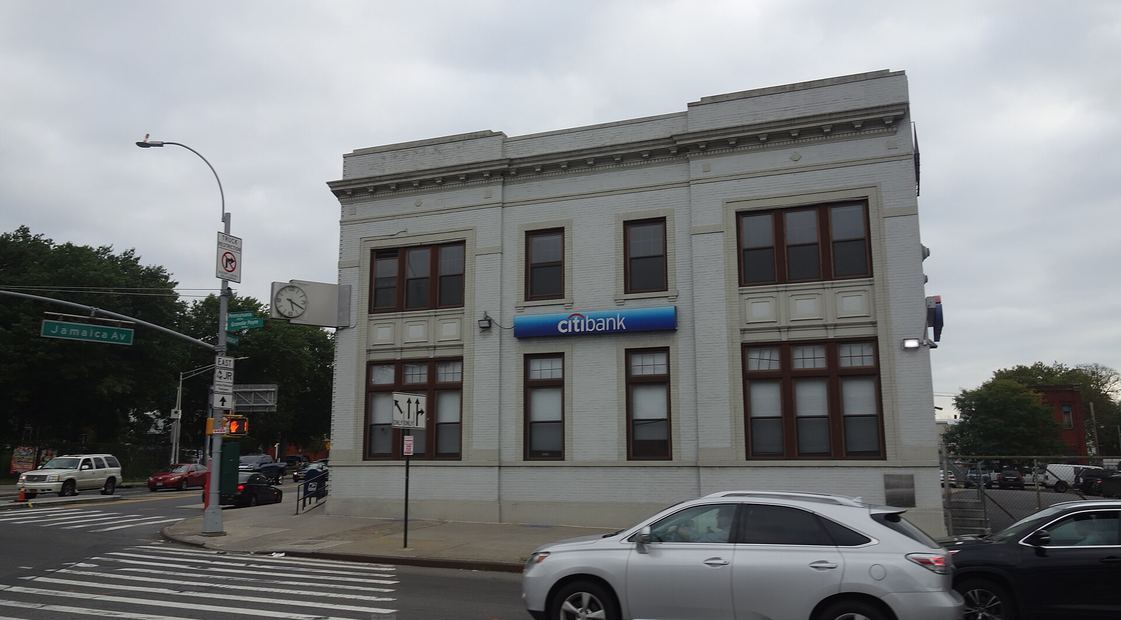
- Citi updated its Online User Agreement this week. A spokesperson told TechCrunch that customers who give third-party AI agents access to their accounts are responsible for what those agents do.
- PNC changed its terms on 18 November, and Citizens emailed customers a similar warning, according to TechCrunch.
- JPMorgan and Bank of America announced similar policies in October. Bank of America’s email told customers they are responsible for activity from any login they share, TechCrunch reported.
AI agents are tools that act for you: you give them a goal, and they log in, click and pay on your behalf. To do that with a bank account, many need your username and password.
The US moves set a template that banks elsewhere can copy. For Nigerian customers, where fintech and bank apps are part of daily life, the lesson is the same: if you hand an AI tool your banking login, the loss may be yours to carry.
What the banks changed about AI agents and bank accounts
Under Citi’s updated agreement, as described by TechCrunch, customers are also responsible if an AI agent leaks their credentials or is itself hacked, including for anything a hacker then does with the account. Citi’s own AI agents can be used without that extra liability.
Citizens told customers by email that they are liable for anything their AI assistant does. PNC changed its terms on the day TechCrunch’s report was published. The two largest US banks, JPMorgan and Bank of America, announced similar policies in October.
Bank of America’s version arrived as a customer email about protecting your money from AI risks. It asked customers never to share their login with another person or outside service, including AI tools that offer to act for them.
Why banks are pushing back on AI agents
Security is the obvious reason. An agent holding your password is one more place that password can leak from. TechCrunch also points to competition: an agent that hunts for better rates could steer customers away from fees and low-interest accounts.
Not every AI finance tool asks for full control. Anthropic’s Personal Finance feature for Claude, launched in beta in the US on 5 November, connects to bank accounts through Plaid and is read-only, so it can analyse spending but cannot move money.
What AI agents mean for Nigerian bank customers
Nigeria’s lawmakers are tightening the rules on the biggest players in digital finance. On 18 November the House of Representatives passed an amendment to the Banks and Other Financial Institutions Act that lets the Central Bank of Nigeria (CBN) name large non-banks as systemically important. Those firms would face mandatory cybersecurity safeguards and direct CBN access to their systems, Techpoint Africa reports. The bill now awaits presidential assent.
Security pressure is already high. TechCabal reported that cyberattacks made October a costly month for Nigerian banks. Add AI agents holding customer passwords, and the question of who pays when something goes wrong becomes urgent.
Until a Nigerian bank says otherwise in writing, the safe rule is the one in the US terms: never paste your banking password or one-time code into an AI tool. If a tool needs your data, choose one that reads but cannot move money. For more on how Nigeria licenses digital finance firms, see our guide to CBN licences and approvals, and our explainer on the Java4Shell flaw for why one weak link matters.
What’s next
Watch two things. First, whether Nigerian banks, OPay, Moniepoint and others add AI-agent clauses to their own terms. Second, whether the CBN addresses agent access once the BOFIA amendment is signed. Until then, your banking password should stay with you.