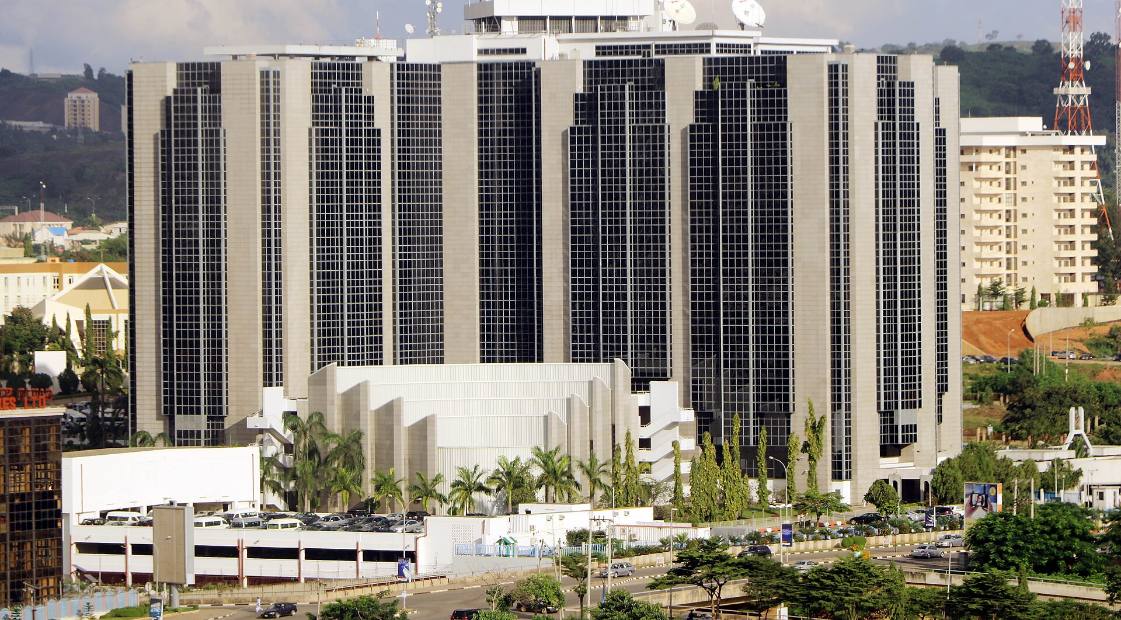

Nigeria’s biggest fintechs could soon be supervised much like banks. On 18 November the House of Representatives passed the BOFIA amendment, a change to the Banks and Other Financial Institutions Act that lets the Central Bank of Nigeria (CBN) name large non-bank financial firms “systemically important” and put them under tighter rules. The Senate passed its version on 10 November, and the bill now awaits the President’s assent (BusinessDay; ThisDay).
Key facts
- What it does: a new Section 62A lets the CBN governor designate a non-bank financial institution as systemically important, based on its size, users, transaction value and links to banks and payment systems, or on public-interest grounds.
- What designated firms face: stricter governance, mandatory cybersecurity safeguards, regular stress tests, more detailed reporting and direct CBN access to their operational systems.
- Who: the bill doesn’t name any company, and the CBN hasn’t said whom it would designate first. In the House debate, sponsor Julius Ihonvbere pointed to OPay.
- What’s left: presidential assent. Until it is signed, nothing changes.
Why it matters: tens of millions of Nigerians now keep everyday money in fintech apps rather than banks. This bill decides how closely the regulator watches the biggest of them.
What is the BOFIA amendment?
BOFIA 2020 is the main law the CBN uses to license and supervise banks and other financial institutions. The amendment, known in the Senate as SB. 959, adds a regime for “Systemically Important Institutions”: non-bank firms so large or so connected that their failure could disrupt the wider financial system.
Senator Tokunbo Abiru, who chairs the Senate banking committee and sponsored the bill, said some digital financial institutions now operate at a scale comparable to mid-sized banks, BusinessDay reported. The Senate committee says the proposal had broad support at a public hearing in March.
What changes for OPay, Moniepoint and other big fintechs?
If the CBN designates a firm, it would have to meet tougher standards on:
- Governance: stricter corporate governance rules and fuller disclosure of who ultimately owns the company.
- Technology risk: mandatory cybersecurity safeguards, operational-resilience and technology-risk frameworks, and data-integrity checks.
- Supervision: regular stress tests, more detailed reports, and direct CBN access to the firm’s systems.
The CBN would keep a public register of designated institutions, and the bill provides sanctions for firms that don’t comply. Under the Senate version, a firm can challenge its designation at the Federal High Court within 30 days.
What does it mean for users’ money?
For customers, the BOFIA amendment is mostly about prevention. Stress tests, cybersecurity rules and closer supervision are meant to catch problems at a big app before they reach your balance. It does not, on its own, change how your deposits are insured or what fees you pay.
What does it mean for smaller fintechs?
Designation under the BOFIA amendment is meant for the largest firms, so a small startup is unlikely to be caught at first. But compliance costs could rise for those that grow into the category, and the extra scrutiny may shape how fast the biggest apps can launch new products.
What happens next?
Both chambers have now passed the BOFIA amendment. If their versions differ, they must be harmonised before it goes to the President. Once signed, the CBN would need to publish how it will apply the criteria and which firms it will designate.
What the BOFIA amendment doesn’t do
It doesn’t name any company, and it doesn’t take effect until the President signs it. Reports on the bill don’t mention new capital requirements or changes to deposit insurance. Much is left to the CBN: how it will weigh size, users and links to banks, and which firms it designates first. Those details will decide how far the BOFIA amendment reaches.
Related: Major US banks make customers liable for AI agents, even if hacked · CBN crypto licences and approvals: which one your business needs