
Lupa Robotics, a young start-up founded by South African Harvard student Nureldin Mohamed, has raised $1.67 million in seed funding to teach robots to use their hands like people do. Long Journey Ventures led the round; other investors were not named. Neither Lupa nor Long Journey Ventures has published an announcement that Charge Africa could find (WeeTracker, Tech In Africa, iAfrica).
Key facts
- Raised: $1.67 million seed, led by Long Journey Ventures.
- Founder: Nureldin Mohamed, a South African studying bioengineering and computer science at Harvard.
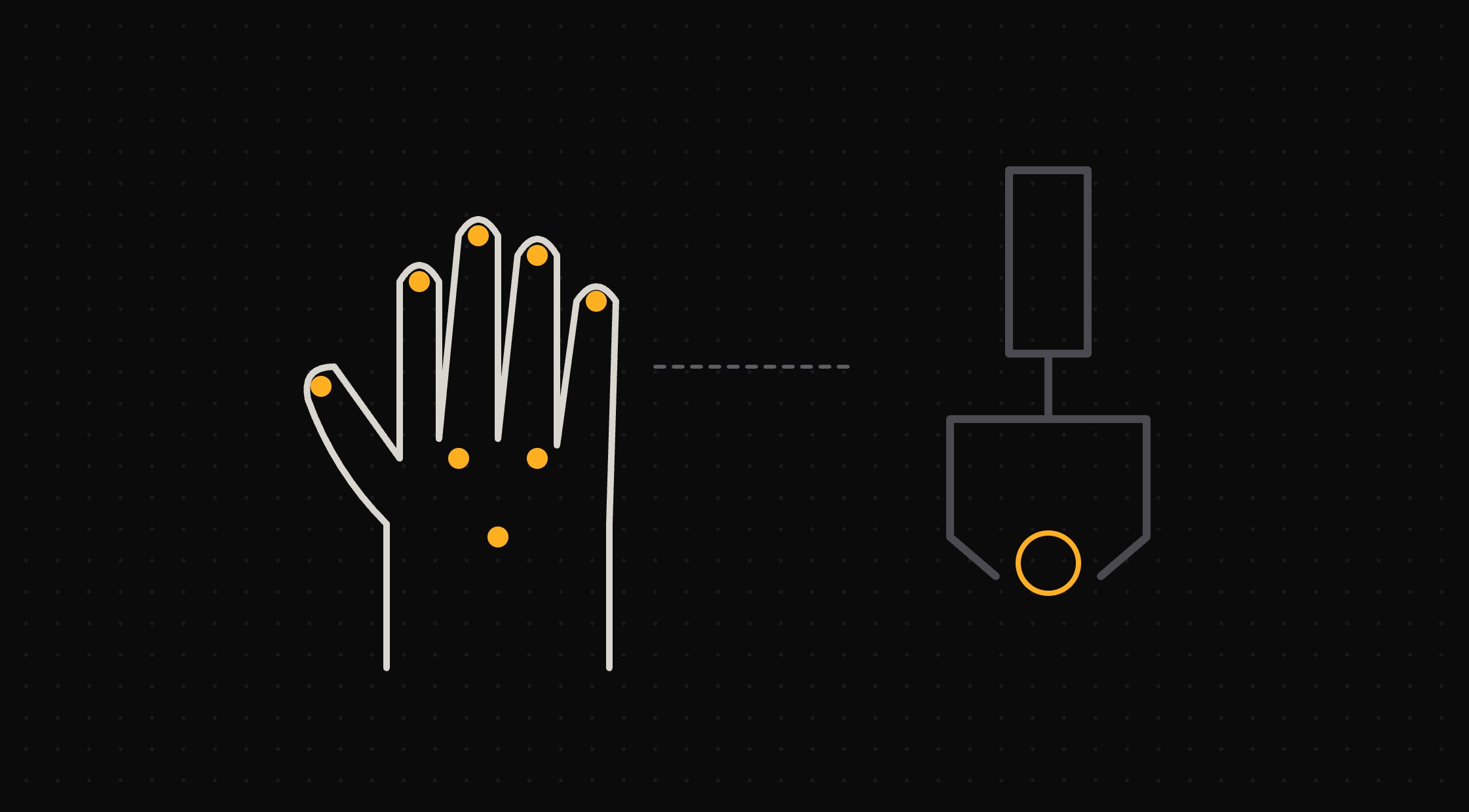
- How it works: people wear sensor gloves that record hand movements and force, while head-mounted cameras film the same task; the synced data trains robot models.
- Business model: license datasets first, then pre-trained models, to robotics companies and AI labs.
- Stage: research and development; no valuation or pilot date disclosed.
Why it matters
Robots can lift and move things, but handling a shirt, a cable or a soft package is still hard: it needs fine control of grip and force. Lupa is betting that the bottleneck is data, not hardware, and that recording real human hands at scale is the fastest way to get it. Its early targets are manufacturing, textiles and warehouse automation.
The money will go on engineers, tactile-sensing and data-collection systems, and large human-manipulation datasets (Tech In Africa).
What we don’t know yet
- where its data will be collected (CB Insights lists Lupa as based in San Francisco);
- who else invested;
- when the first customer pilots will start.