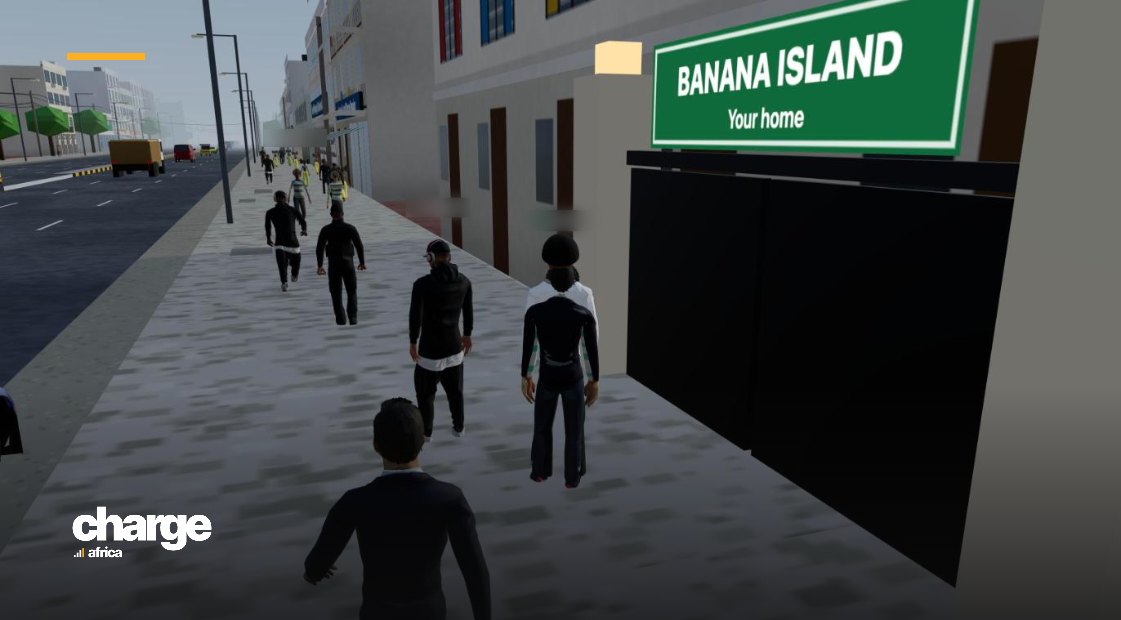

Lagos Life, the Nigerian life-simulation game its developers say drew millions of players within weeks of its October launch, has rewritten its rulebook. Its current terms of use, published by its developer Vatar on vatarverse.com, now set an age floor of 13 with a separate space for teenagers, keep betting, dating and real-money purchases for adults, and state that its in-game naira “can never be cashed out”. A new privacy policy, effective 23 October 2026, spells out where players’ data goes (Lagos Life terms, privacy policy).
Key facts
- Age: 13 and over. Players aged 13 to 17 play in a separate teen space where it is open; where it isn’t, new accounts must be 18 or over.
- Adults only: LagosBet betting, the casino, dating, crime gameplay, live voice rooms, sending Game Naira to other players, real-money purchases and community games.
- Game Naira: not legal tender, not a bank deposit, not electronic money, and cannot be withdrawn or redeemed for real money.
- Payments: processed by Flutterwave; payments made before 6 October 2026 went through Bachs.
- Community games: items sell for ₦100 to ₦50,000; the developer keeps 70% and Vatar 30%.
- Data: Vatar is the controller under the Nigeria Data Protection Act 2023; Cloudflare, Amazon Web Services and Google Firebase Cloud Messaging process data on its behalf.
Why it matters: Lagos Life’s virtual naira, its betting games and the data it collects from a young audience drew questions within two weeks of launch (Innovation Village). Those questions came from commentators, not regulators. These documents are Vatar’s own answer, on paper, to the questions parents, players and advertisers have been asking.
Can children play Lagos Life?
Not under 13. “Nobody under 13 may make an account,” the terms say, and Vatar says it closes any account it learns belongs to a younger child. Teenagers aged 13 to 17 play in a separate space where, according to the terms, “teens only ever meet other teens”: adults cannot see, find or message them. Your date of birth decides which game you are in and cannot be changed later, except to fix an obvious slip. On a teen’s 18th birthday, the account moves to the adult game and the links made in the teen space end.
Is Game Naira real money?
No, and the terms go out of their way to say so. Game Naira uses the word “naira” and the ₦ symbol, but it is “a fictional digital game unit”. It is not Nigerian legal tender, not eNaira, not a bank deposit and not electronic money, and it “cannot be withdrawn into a bank account”. A balance of ₦1,000,000 in the game “does not mean that Lagos Life owes the player one million Nigerian Naira”.
Adults can still buy Game Naira with real money. What they get, the terms say, is “a limited contractual entitlement” to the units, not an investment or a right to cash out. Refunds are considered only when a payment went through but the purchase was not delivered. Selling Game Naira for real money outside the game is banned.
What about the betting?
LagosBet and the casino are for adults only and use Game Naira only. “There is no real-money gambling in Lagos Life, and Game Naira can never be cashed out,” the terms say. Put the rules together and the position is this: an adult can pay real money for Game Naira and bet it in the game, but cannot turn winnings back into naira.
Who makes money from community games?
Lagos Life now hosts games built by outside developers, for players aged 18 and over. A community game can sell items for real money, from ₦100 to ₦50,000 each, paid through Vatar’s payment provider. The developer keeps 70% of each sale and Vatar takes 30%, a split close to what the big app stores charge. Developers sign a separate agreement, and Vatar can remove games that break its rules.
What happens to your data?
The privacy policy names Vatar as the company that decides how players’ data is used, for the purposes of the Nigeria Data Protection Act 2023. It lists the companies that process data for Vatar: Cloudflare for hosting, security, voice notes and pictures; Amazon Web Services for the main database and account emails; and Google Firebase Cloud Messaging for push notifications, “no Firebase Analytics”. The policy says the game works out only approximate location from your network, and does not collect phones’ advertising identifiers.
Live voice rooms come with an “AI safety check”: while it is on, what speakers say is turned into text in short pieces and checked against the community rules. The policy says the audio is never kept and the text is thrown away at once unless it breaks the rules, and every room covered shows an “AI safety check” sign. For teenagers, “nothing a teen writes is sent to an AI company”. The terms also say Vatar uses device fingerprinting to spot fraud, account farming and bots.
What’s still unclear
Two things the documents cannot settle. First, scale: Lagos Life’s player numbers still come from its developers, and nobody outside the company has published a count. Second, money: Innovation Village, citing Techpoint Africa, reported in October that Vatar raised $500,000 at a $10 million valuation, with investors including Flutterwave chief executive Olugbenga “GB” Agboola’s Resilience17 and Terra Industries chief executive Nathan Nwachuku (Innovation Village). Condia later reported that the company was in talks to raise a $2.5 million pre-seed round (Condia). The $500,000 figure comes from founder Shalom Rayhamen’s own account; we have not seen Vatar announce that the larger round has closed.
Related: Lagos Life: how a game built overnight eclipsed them all · Games like Lagos Life · Nigeria’s Terra Industries backs South African safety app Community Wolf