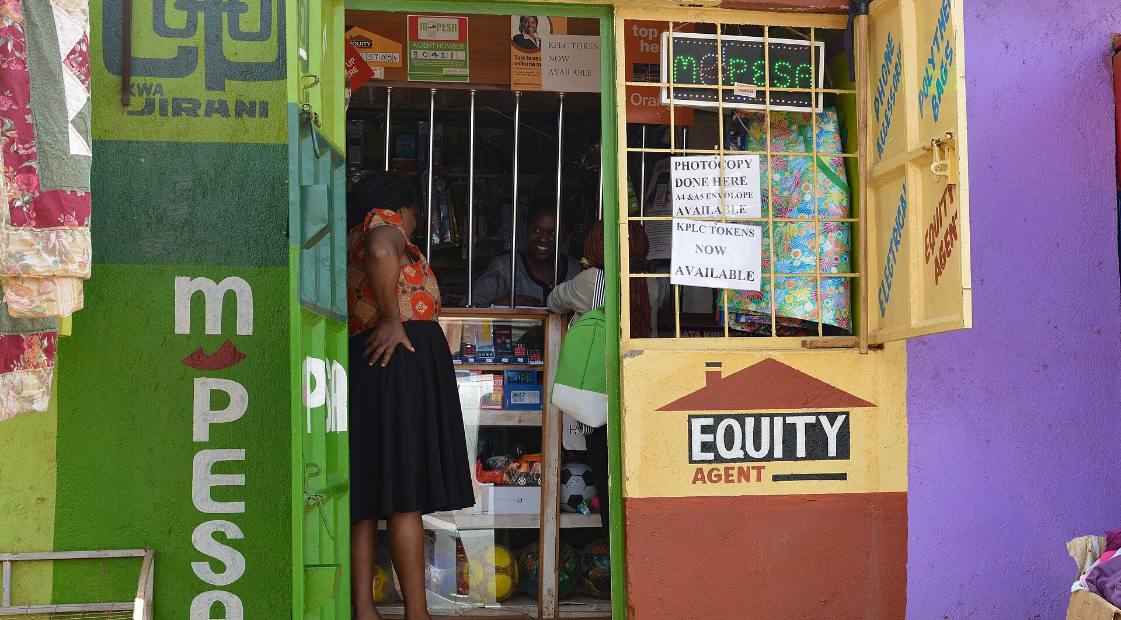

Payaza, a payments company founded in Nigeria, says the Central Bank of Kenya (CBK) authorised it on 5 November 2026 to provide payment gateway services to Kenyan merchants. Several outlets have reported the authorisation and its certificate number; the CBK’s public directory of payment providers available at publication predates the decision (Nairametrics, TechTrendsKE).
Key facts
- The reported Payaza Kenya licence: Payaza says Payaza Africa Limited received payment gateway authorisation on 5 November under Kenya’s National Payment System Act, 2011; reports give the certificate number as NPS/45/48/2026. The CBK’s public directory available at publication predates that date (TechTrendsKE).
- What it can do: online checkout and taking card, mobile money and bank payments for Kenyan businesses (Nairametrics).
- What it doesn’t cover: the authorisation doesn’t, by itself, allow it to take deposits or run customer wallets (Technext).
- Zambia first: the Bank of Zambia designated it a payment system operator on 19 October, 17 days earlier (TechTrendsKE).
Why it matters: Kenya has been a hard market for Nigerian fintechs to enter legally. In 2022 the CBK said Flutterwave and Chipper Cash were operating without a licence and told banks to stop working with them (TechCabal). A licence lets Payaza sign up Kenyan merchants directly, competing with gateways already on the CBK’s books.
What the licence lets Payaza do in Kenya
A payment gateway sits between a shop’s checkout and the customer’s money. With this licence, Payaza can:
- run online checkout for Kenyan merchants;
- accept cards, mobile money such as M-Pesa, and bank payments;
- settle merchants and give them transaction reports;
- collect cross-border payments for Kenyan businesses selling to other African markets, subject to local rules (Nairametrics, TechTrendsKE).
A payment gateway authorisation does not, by itself, allow Payaza to take customer deposits or run customer e-money wallets; its exact settlement permissions are set out in the CBK certificate, which we could not locate publicly at publication. Mobile money operators such as Safaricom and Airtel sit in a different licence category (CBK directory).
“Kenya is the heartbeat of East Africa’s digital economy, and we are entering it the right way: fully licensed,” said Seyi Ebenezer, Payaza’s group chief executive (Nairametrics).
Who it’s up against
The CBK’s latest public directory, dated 10 August 2026, lists 44 authorised payment service providers, most of them merchant payment processors. They include Paystack, the Stripe-owned Nigerian gateway, which has been licensed in Kenya since 2022 (CBK directory, The Condia). Flutterwave was not on that list.
That directory predates Payaza’s licence, so Payaza isn’t on it yet.
Payaza says it operates in more than 27 countries. Its African markets include Nigeria, Ghana, Kenya, Uganda, Tanzania, Rwanda, Zambia and South Africa, among 14 it names (TechTrendsKE, Technext). Nigeria brings in about 35% of its revenue, the company says.
What the Payaza Kenya licence means for merchants
More gateways competing for the same merchants can mean better rates and faster settlement. Check the costs, though: since Kenya’s 16% VAT now applies to the fees behind card and digital merchant payments, a gateway’s fee will carry VAT on top. We explained how that works in Kenya now taxes the fee behind your card and phone payments.
What’s next
Payaza says it will start signing up merchants in Kenya and Zambia and seek more licences in East Africa. The CBK has also published a draft National Payment Systems Bill 2026, which proposes an overhaul of the rules that licences like this one sit under.
Related: Nigerian fintech Raenest buys UK payments firm Remitise · CBN crypto licence categories explained